
Rewriting the DNA of HR in Pharma

Bluebarna POV — September, 2025
Pharma has long treated HR as the silent engine. But in a world where molecules are born in ecosystems and AI is rewriting work, the People function must become an active creator of value.

A Fortress of Silos
Thirty years ago, the HR department in a pharmaceutical company was a fortress.
Recruitment, payroll, training, development—each lived in neatly stacked silos, all under the command of the HR director. It was vertical, centralized, and unquestioned.
Then came the first cracks.
Payroll slipped quietly into Finance.
Scientific training moved into commercial operations.
By the 2000s, waves of outsourcing swept across Europe: shared services in Prague or Warsaw absorbed what once were core HR functions.
What remained was not reinvention but subtraction. HR in pharma became leaner, reduced to a handful of business partners, asked to stretch across recruitment, development, exits, and—on top of it all—strategic planning.
Few hands, infinite tasks.
The Pressure Cooker of Today
This lean model strains under modern realities.
Pharma HR leaders juggle the entire employee lifecycle while responding to compliance demands, global expansion, and the sudden acceleration of AI.
Already, generative AI promises to automate up to two-thirds of transactional HR tasks. (And this is going to be a HUGE problem in the next months for HR – but we will write about it later).
What will remain is not less important, but far more strategic: shaping the workforce of the future, anticipating new skills, and ensuring organizations can adapt faster than their environments shift.
And yet, many pharma companies remain stuck in a model designed for yesterday’s stability.
The New Operating Model
Other industries are already moving ahead.Inspired by new operating models—and articulated by consultancies like McKinsey—the People function is crystallizing into three distinct roles. Pharma must follow, or risk falling behind.
1. THE PEOPLE ARCHITECT
The grand strategist of talent.
Translates corporate strategy into organizational capabilities.Anticipates critical questions:
What skills will define value creation in the next decade?
How will AI reshape structures?
What conditions must exist for teams to succeed?
In pharma:
If two-thirds of molecules will be born outside your labs, you need “molecule hunters” interconnected globally with startups. If launches accelerate, you need platform teams instead of siloed business units.
2. THE PEOPLE TECHNOLOGIST
The custodian of the digital backbone.
Integrates HR with systems central to pharma: compliance, validated training, regulated automation.
Decides whether to build or outsource learning platforms, ensuring speed without sacrificing quality.
Not just about tools—about turning technology into human impact.
3. THE PEOPLE SCIENTIST
The evidence-based investigator.
Measures phenomena like burnout, attrition, or team effectiveness.
Designs interventions grounded in data, as rigorous as clinical trials but applied to talent.
Answers questions before they become crises:
Does this team need an intervention before it fractures?
Why Pharma Can Not Wait
The companies that embrace this model first will win a decisive advantage:
Agility: HR teams that reconfigure as fast as product launches or regulatory shifts. Hire people in few days, offers in 24 hours… is a dream in the industry.
Efficiency: Get early approval for smarter outsourcing and AI-free resources for higher-value work. Ability to see externally and implement internally quickly.
Resilience: Today the most critical job, because teams will face great challenges in people due to AI, so they have to be resilient.
Attraction and retention: Employee value propositions designed with science and technology, not intuition alone.
From Back-office to Value Creator
Pharma is standing at an inflection point.The People department can no longer remain a lean administrator of processes.
It must transform into a strategic architect, scientist, and technologist — a function that creates as much value as R&D or commercial operations.
Those who seize this shift will not just manage people better.They will build organizations that are more human, more technological, and more strategic—prepared to thrive in ecosystems where talent is as critical as molecules.
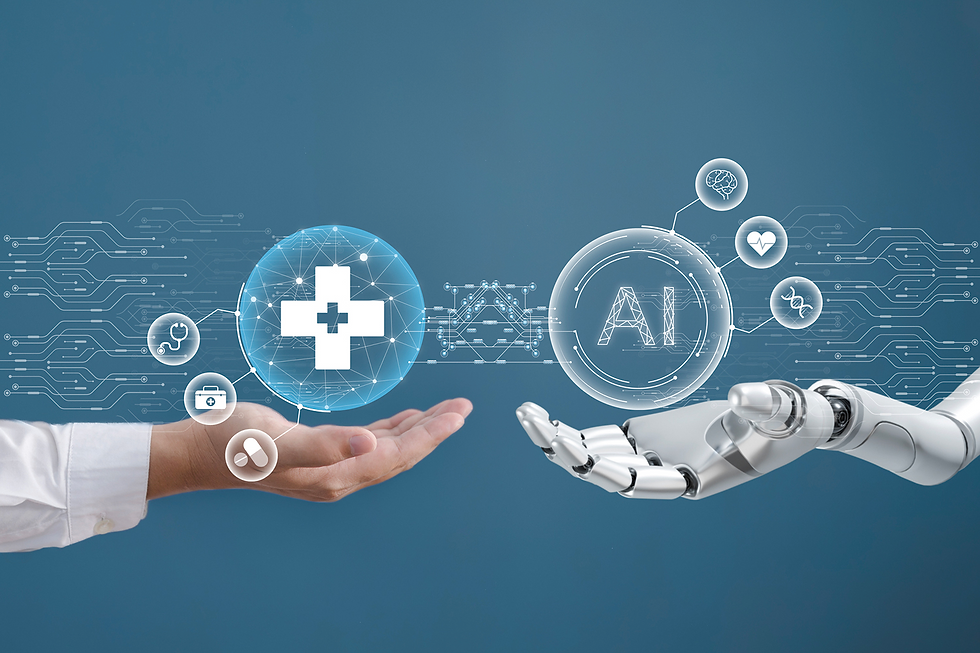
And today is more important than ever because AI is bringing new opportunities but a huge challenge in terms of HR:
At Bluebarna Ecosystems, we believe this transition is not optional but necessary. Our ecosystemic lens helps pharma companies redesign their People function from cost center to true value creator.
Ready to explore the new DNA of HR? Let’s connect.
Download the PDF Article Here ->

Comments